
Eating with the Seasons as Winter Ends

As winter begins to fade and the first signs of spring appear, our bodies often start craving lighter, fresher foods. This shift isn’t just in our heads! It’s actually part of a natural rhythm that aligns with seasonal eating.
Seasonal eating means choosing fruits and vegetables that are harvested during their natural growing season. Not only do these foods tend to taste better because they are fresher and in season, but they are often richer in nutrients and more environmentally sustainable (see our blog on summer seasonal eating to learn more).
Moving on from Winter
During winter, we typically lean toward warming foods like root vegetables, soups, and hearty grains. These foods help provide sustained energy during colder months. As we move toward spring, our bodies often begin to crave foods that feel lighter and more refreshing, including vibrant produce like leafy greens, citrus fruits, and herbs.
Eating seasonally also encourages variety in your diet. Instead of eating the same foods year-round, seasonal eating naturally introduces new flavors and nutrients throughout the year.
Transitional Foods for March
Some great foods to begin incorporating with spring around the corner include:
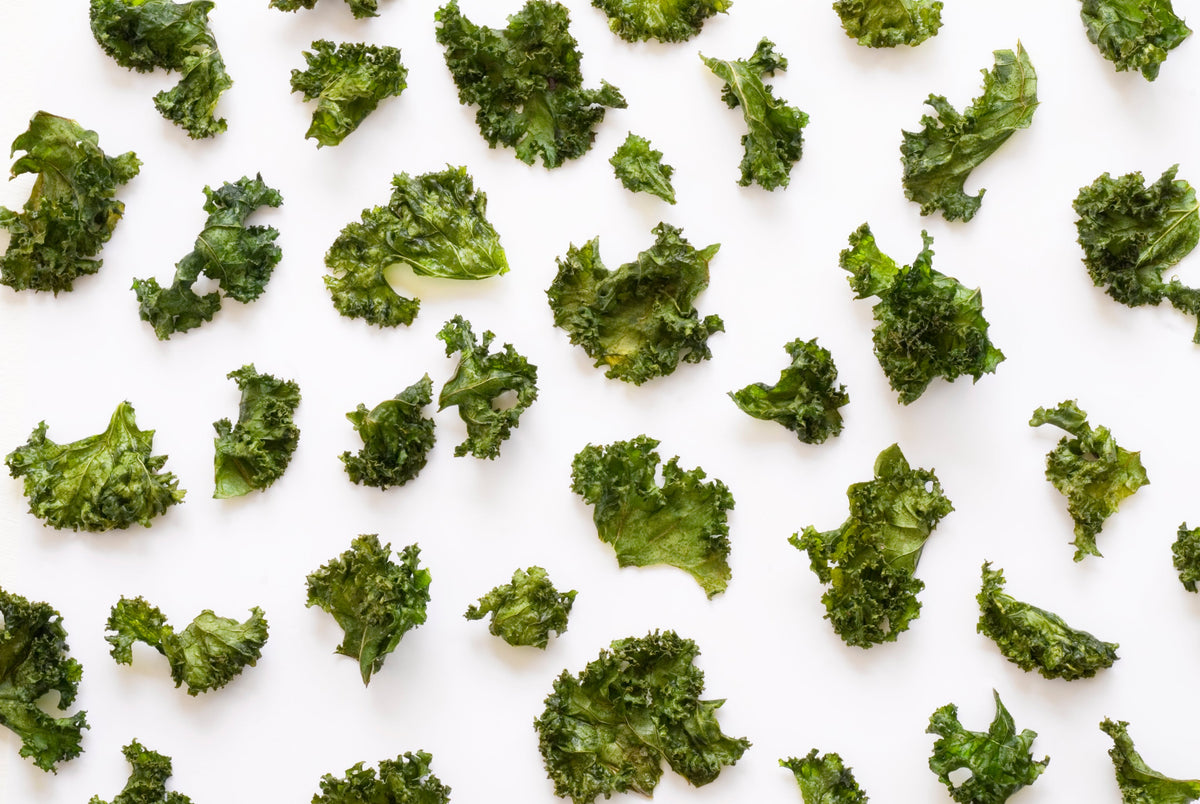
• Leafy greens like spinach and kale
• Broccoli and asparagus
• Herbs like parsley and mint
• Citrus fruits and berries
Seasonal eating doesn’t require drastic changes. It can be as simple as adding more fresh greens to your meals, experimenting with lighter recipes, or incorporating cold-pressed juices made with fresh produce.
As the days grow longer and brighter, embracing seasonal foods is a simple way to nourish your body and welcome the change of seasons!