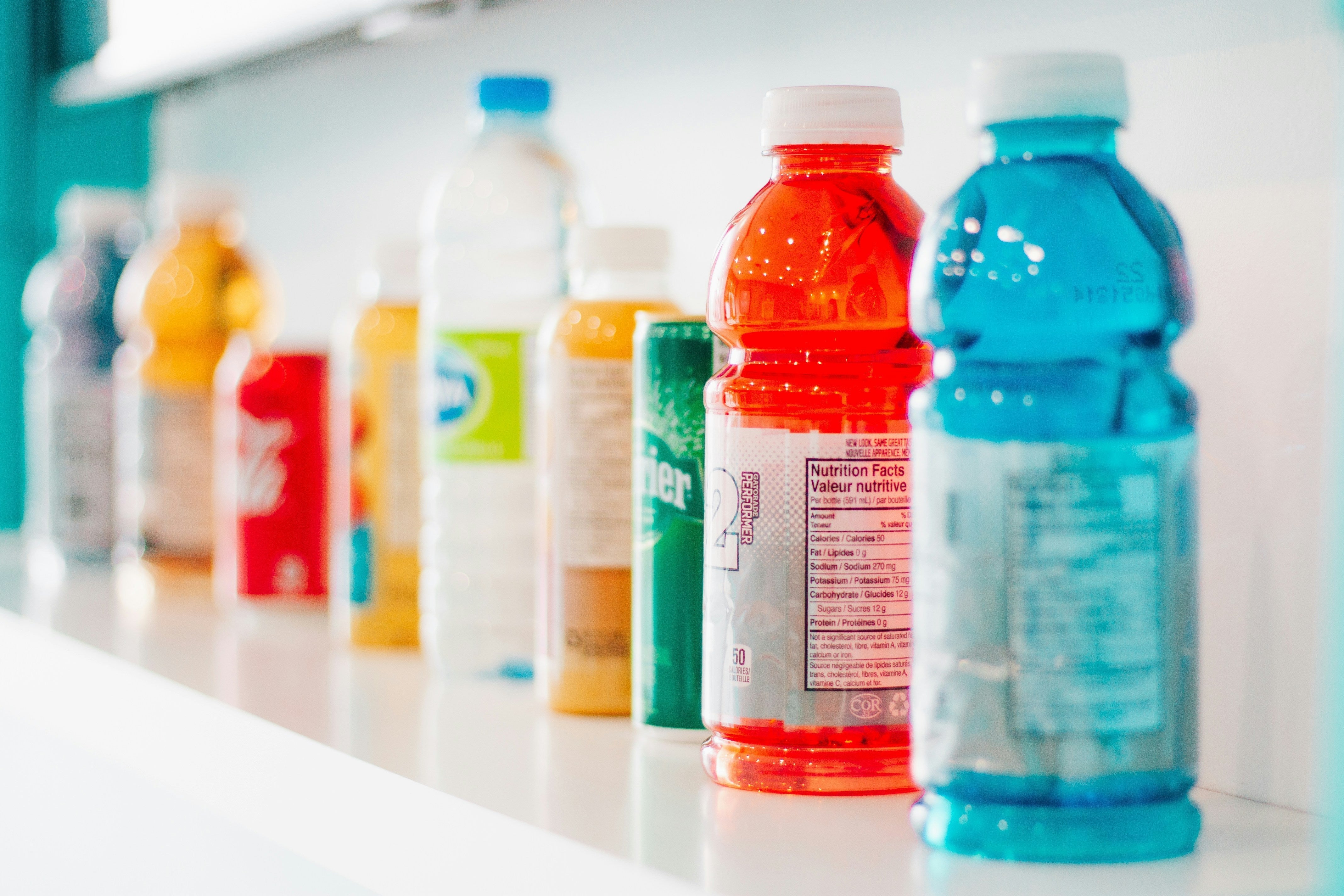

Healthy or Hype: Protein Everything...Even Water

Protein is everywhere right now, even in water! From sleek bottles promising “hydration + protein” to clear, electrolyte-like drinks, this trend has exploded across grocery stores, gyms, and social feeds.
The appeal is obvious: protein without the heaviness of a shake, fewer calories, and something that feels more refreshing than milky or chalky powders. But are protein waters actually a smart addition to a healthy routine or just another wellness rebrand with a shiny label?
Let’s break it down.
What Are Protein Waters and Clear Protein Drinks?

Protein waters are typically flavored beverages made with clear or hydrolyzed protein isolates, often whey protein isolate or collagen peptides. Unlike traditional protein shakes, they’re designed to dissolve fully in water and stay transparent. With claims of high amounts of protein, hydration support, and more, these drinks are marketed as lighter, easier-to-digest, and more convenient than shakes especially for people who don’t want a full meal or smoothie.
Why They’re Trending Now
Several factors are driving the protein water boom:
- Protein-forward culture: High-protein eating has gone mainstream, not just for athletes.
- Low-calorie appeal: Many protein waters are under 100 calories.
- Convenience: Protein waters are shelf-stable, grab-and-go, with no blender required.
- Flavor & texture upgrades: New formulations taste more natural than supplements.
In short, protein water seems like a modern solution to busy lifestyles.
The Potential Benefits (The “Healthy” Side)
1. Convenient Protein Intake
Protein water can help people who struggle to meet protein needs—especially those with low appetites, busy schedules, or who dislike traditional shakes. It can be an easy way to add protein without feeling overly feel.
2. Easier Digestion for Some
Clear protein isolates are often lower in lactose and fat, making them easier to tolerate for people who experience bloating with shakes.
3. Useful Around Workouts
Protein water can be helpful:
- Post-workout when appetite may be low
- During endurance activities
- When you need protein without heaviness
It can support muscle repair if it contains enough high-quality protein.
Where the Hype Creeps In
1. Not a Meal Replacement
Many protein waters contain protein, but little else. No fiber, minimal fats, and very few micronutrients. These protein waters should not replace balanced meals, whole-food snacks, and regular hydration. Protein alone does not equal nourishment.
2. Protein Quality Varies
Not all protein waters are created equal:
- Some use collagen, which is not a complete protein and doesn’t support muscle building the same way whey or soy does.
- Others contain small amounts of protein (5–10g) dressed up with bold marketing.
Be sure to always check protein waters (or other protein products making promises):
- Protein type
- Grams per serving
- Amino acid profile (if available)
3. Sweeteners & Additives
To keep calories low, many protein waters may rely on artificial sweeteners, sugar alcohols, or natural flavors. For some, these ingredients may cause bloating, GI issues, or headaches, and these side effects can worsen with regular use.
4. Hydration Claims Are Overstated
Protein water hydrates you because it’s water, not because protein itself improves hydration. It doesn’t replace electrolytes, and it’s not superior to plain water for most people.
How to Use Protein Water Smartly
If you enjoy protein water, here’s how to make it work for you:
- Use it as a supplement, not a staple. Just like you wouldn't rely on only one vegetable to meet all your needs, don't rely on protein waters to meet your body's protein needs.
- If muscle support and building is your goal, look for 15–25g of complete protein.
- Pair it with fiber or healthy fats (fruit, nuts, yogurt).
- Pay attention to how your body responds to sweeteners/additives in the drinks.
When You Might Skip It
- If you're already meeting your protein needs easily (and don't actively enjoy these drinks), feel free to pass on them!
- If you're looking replace meals or increase hydration, you may want to look into other options, like a hydrating, organic Living Juice.
The Verdict: Healthy or Hype?
Both.
Protein water can be healthy when used intentionally—as a convenient supplement to a balanced diet. It becomes hype when marketed as essential, superior hydration, or a replacement for real food.
Like many wellness trends, it’s not about whether protein water is “good” or “bad”—it’s about how and why you’re using it.
If it helps you meet your needs and fits into your routine without crowding out whole foods, it can earn a place in your fridge. Just don’t let the label convince you it’s doing more than it actually is!