
Healthy or Hype: New Year New Me

January has a reputation problem.
Every new year, we’re told this is the moment to reinvent ourselves completely: new body, new habits, new discipline, new routines. Social feeds fill up with bold declarations—cutting sugar forever, exercising every day, waking up at 5 a.m., eliminating carbs, alcohol, caffeine, or “bad habits” all at once.
It sounds motivating. It looks productive. But is it actually healthy?
Why Extreme Resolutions Feel So Tempting
There’s something deeply satisfying about a clean break. After a busy, indulgent, or emotionally full end-of-year season, drastic resolutions offer:
- A sense of control
- Clear rules
- Fast momentum
- A feeling of being “back on track”
Extreme goals feel decisive. They promise transformation instead of gradual change—and in a culture that values quick results, that’s hard to resist.
Where Resolutions Turn into Hype
The problem isn’t setting goals. It’s the all-or-nothing framing that often comes with them.
Drastic resolutions tend to:
- Require perfection to succeed
- Ignore real-life (schedules, stress, illnesses...)
- Stack too many changes at once
- Leave no room for flexibility
When motivation dips (as it naturally does), these plans often collapse and not because of a lack of willpower, but because they were unrealistic to begin with.
The "New Year, New You" Myth

The idea that January is the one moment you must overhaul your life is more cultural pressure than biological truth. While the first of the year does bring the energy of newness, your body doesn't suddenly change and require any reset, intense planning or stricter rules. It's also important to remember lasting habits rarely form through punishment or extremes.
In fact, most extreme resolutions fail within weeks, often leading to guilt, frustration, and a sense of falling behind, even before the year has really even started.
Extreme resolutions can quietly backfire by:
- Increasing stress and burnout
- Creating a short cycle of restriction and rebound
- Turning health into another performance metric
- Making progress feel fragile instead of supportive
If your plan only works when life is calm, it’s not a long-term solution.
The Healthy Alternative: Fewer, Gentler Shifts
A healthier approach to the new year isn’t about doing more. It’s about doing less, more consistently.
Instead of asking. “What do I need to completely change?” Try asking, “What’s one habit that would make my days feel easier?”
Some of these gentle shifts may be:
- Cooking one more meal at home each week
- Walking more often, not necessarily faster or carrying heavy weights (or vests)
- Adding protein or vegetables instead of banning foods
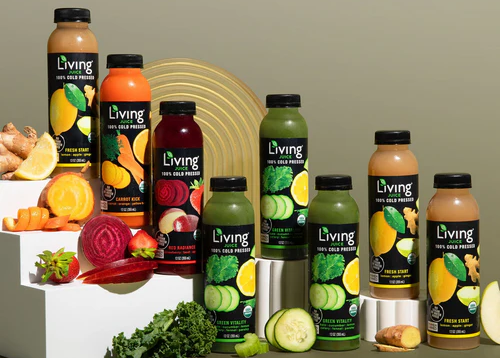
- Swapping out an unhealthy snack for an organic, cold-pressed Living Juice packed with fruits and veggies
- Going to bed 20 minutes earlier
- Drinking more water before focusing on adding supplements
These changes don’t feel dramatic, but doable and durable.
Progress Doesn’t Require a Personality Overhaul
One of the biggest myths of resolution culture is that you have to become a different person to be healthier. You don't actually need to be stricter, harsh discipline, or a perfect morning routine.
You need systems that work with your life, not against it. Healthy habits should support your energy, not compete with it (especially if you want them to stick).
The Verdict: Healthy or Hype?
Drastic New Year’s resolutions are mostly hype.
While the desire for change is real and valid, extreme, all-at-once approaches rarely lead to lasting health. They’re motivating in theory, but unsustainable in practice. Real progress comes from small, repeatable actions that don’t require constant motivation to maintain.
A Better Way to Set New Year Intentions
Instead of building your January around rules, consider building it around support. What would make your days feel better? What habits feel doable even on a bad day? What are lasting changes you want to keep throughout the year? Nothing flashy, but it's how habits stick!