
The Role of Fiber in Gut Health
Fiber may not be the most glamorous nutrient, but it plays one of the most important roles in overall wellness, particularly when it comes to gut health. From supporting digestion to feeding beneficial gut bacteria, fiber helps keep your body balanced from the inside out. Yet many people don’t get enough of it in their daily diet.
The good news? Adding more fiber can be simple, delicious, and incredibly beneficial!
What Is Fiber?
Fiber is actually a type of carbohydrate that the body cannot fully digest and is found in plants. There are two main types:
Soluble fiber dissolves in water and can help support healthy cholesterol and blood sugar levels. Soluble fiber can be found in:
- Apples
- Oats
- Beans
- Chia seeds
Insoluble fiber adds bulk to stool and helps food move through the digestive system. Insoluble fiber can be found in:
- Leafy greens
- Carrots
- Whole grains
- Nuts and seeds
Both types are essential for digestive health.
Fiber Feeds Your Gut Microbiome
Your gut is home to trillions of bacteria, many of which rely on fiber as fuel. When these bacteria ferment fiber, they produce beneficial compounds called short-chain fatty acids, which can support digestion, immunity, and even mood.
A healthy microbiome has been linked to:
- Better digestion
- Reduced inflammation
- Improved immune function
- Balanced energy levels
Signs You May Need More Fiber
Low fiber intake can contribute to:
- Digestive discomfort
- Irregularity
- Bloating
- Feeling hungry soon after meals
Increasing fiber gradually, and drinking enough water, can help improve digestion over time.
Easy Ways to Add More Fiber

If you're looking to add more fiber to your diet, these are a few simple ways to do so: Simple ways to increase fiber include:
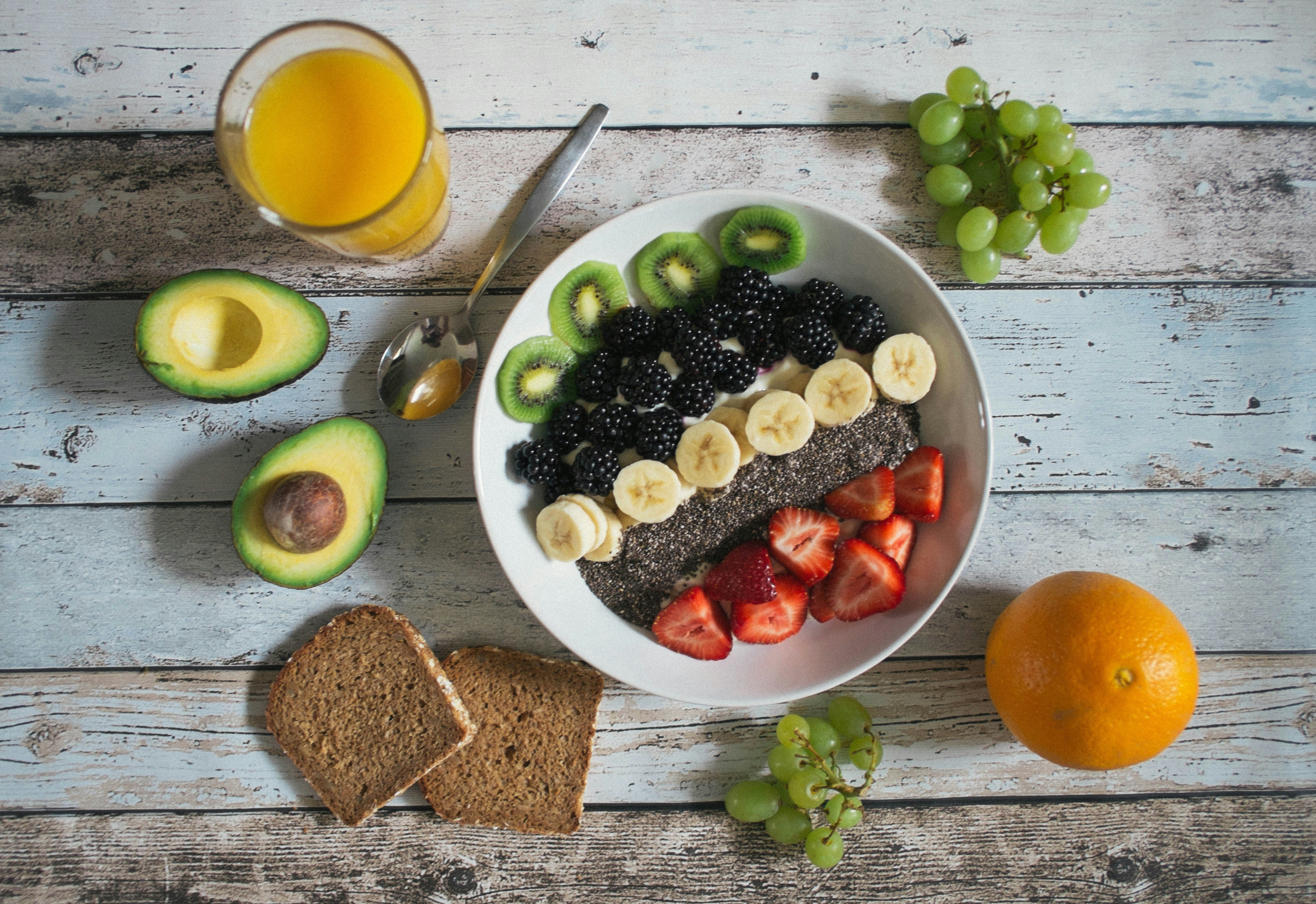
- Starting your day with fruit or a smoothie
- Adding chia or flax seeds to your smoothie or overnight oats
- Snacking on raw veggies and hummus
- Adding leafy greens to meals, whether that's a salad, quinoa or rice bowl, leafy greens can easily be added!
- Including beans, lentils, or quinoa in recipes. There are even lots of dessert recipes that incorporate all three!
Cold-pressed juices, like organic Living Juices, can complement a high-fiber diet by adding vitamins and hydration alongside whole-food meals!