

Healthy vs. Hype: Are Seed Oils Really Bad for You?
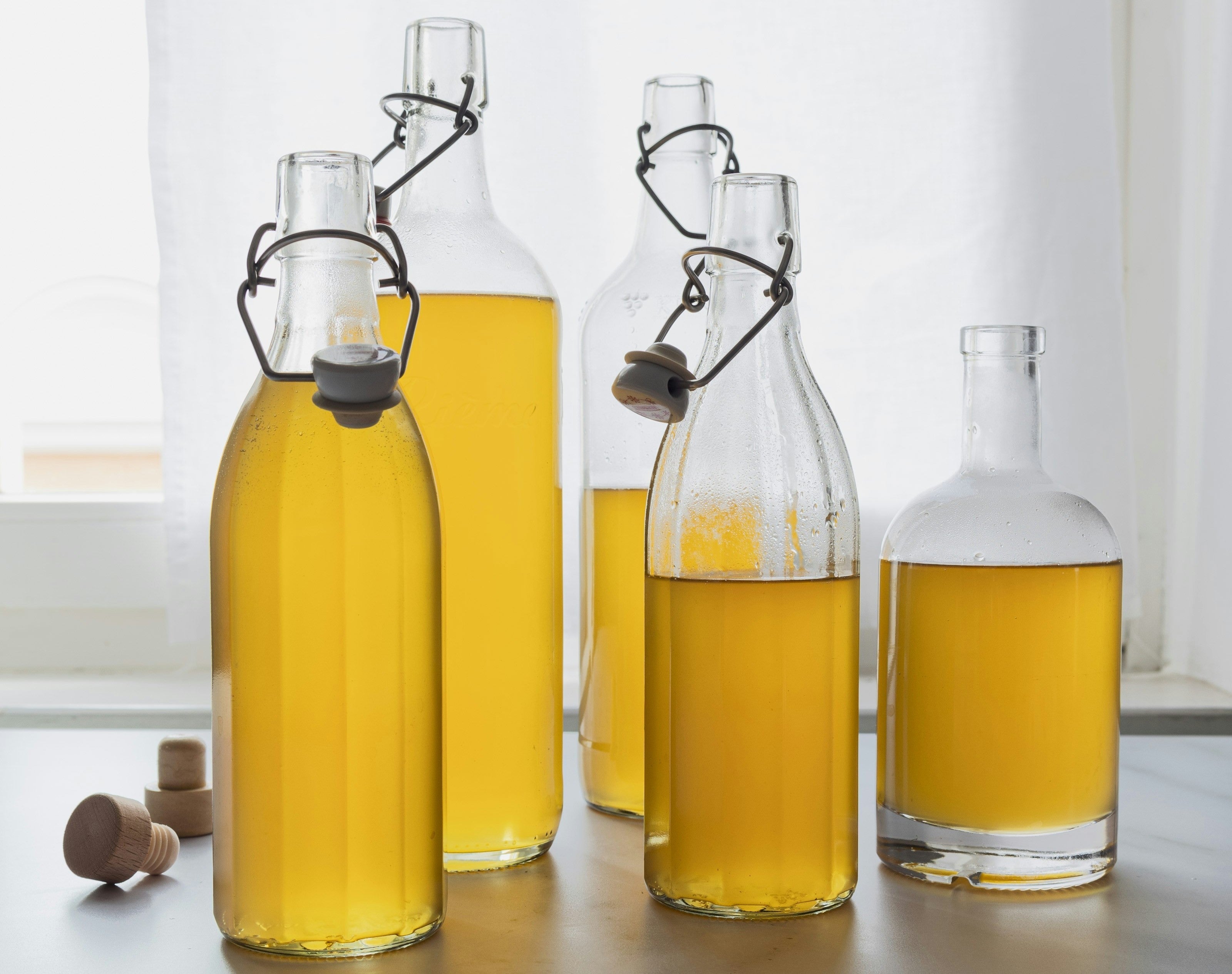
Seed oils have become one of the most debated topics in the wellness world. From social media discussions to grocery store trends, many people are questioning whether oils like sunflower, soybean, canola, and safflower oil belong in a healthy diet.
Like many nutrition conversations, the answer is more nuanced than a simple “good” or “bad.” Understanding what seed oils are, where they are found, and how they fit into an overall eating pattern can help you make informed choices.
What Are Seed Oils?
Seed oils are cooking oils made by extracting oil from, you guessed it, the seeds of plants. Common examples include:
- Canola oil
- Soybean oil
- Sunflower oil
- Safflower oil
- Corn oil
- Grapeseed oil
These oils contain different types of fats, including unsaturated fats, which can play an important role in a balanced diet.
Seed oils are often used because they are affordable, versatile, and have neutral flavors that work well in many foods and cooking applications.
Why Have Seed Oils Become Controversial?
Much of the concern around seed oils comes from how they are commonly used in modern diets. Seed oils, many of which have neutral flavors and high smoke points, are often found in highly processed foods such as:
- Packaged snacks
- Fast foods
- Fried foods
- Processed baked goods
- Convenience meals
The issue is not necessarily the oil itself, but the overall nutritional quality of many foods where these oils appear.
A diet high in ultra-processed foods may also be higher in added sugars, refined carbohydrates, and sodium while being lower in fiber and essential nutrients.
The Healthy Side
Many seed oils contain unsaturated fats, which can be part of a balanced eating pattern. Fats are an important part of nutrition because they help:
- Support hormone production
- Absorb fat-soluble vitamins
- Provide energy
- Add satisfaction to meals
The bigger picture matters. A meal made with minimally processed ingredients and a variety of vegetables, whole grains, legumes, and healthy fats looks very different from a diet built mostly around packaged foods.
Where the Hype Comes In
Wellness trends often focus on eliminating one ingredient as the solution to better health. But we know that nutrition is rarely that simple.
Avoiding every food containing seed oils may not be necessary or realistic for most people. Instead, focusing on the overall quality of your diet is a much more sustainable approach.
When looking at your diet, consider the following questions:
- Am I eating plenty of fruits and vegetables?
- Am I choosing mostly whole foods?
- Am I including enough fiber and plant-based nutrients?
These habits have a much greater impact on health than focusing on one ingredient alone.
Building a Balanced Approach
Rather than worrying about individual ingredients, focus on adding more nourishing foods to your routine. Start by prioritizing whole foods, like:
- Fresh fruits and vegetables
- Nuts and seeds
- Healthy fats, like avocado
- Beans and legumes
- Whole grains
- Minimally processed foods
Cooking more meals at home can also make it easier to choose the ingredients you prefer.
The Verdict
Seed oils are a great example of why nutrition conversations require balance. The most important factor is the overall pattern of eating. A diet rich in colorful produce, fiber, plant-based foods, and minimally processed ingredients will always be a strong foundation for wellness.
Instead of focusing on what to remove, focus on what you can add more of, especially the foods that help you feel your best!