

February is Heart Month!

Get Heart Healthy This February
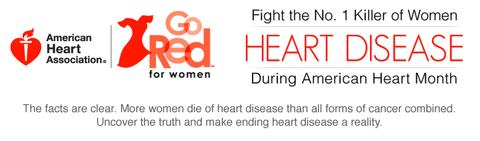
February is American Heart Month, and at Living Juice, we’re committed to supporting heart health, especially for women.
Heart disease remains the leading cause of death for women in the United States. The encouraging news? Many cardiovascular events are largely preventable through consistent, healthy lifestyle choices and early awareness.
Heart health isn’t about one dramatic change; it’s about daily habits that support your body over time.
Why Prevention Matters Early
While heart disease is often associated with aging, the groundwork for cardiovascular health begins much earlier. Research continues to show that lifestyle habits in adolescence and early adulthood, including diet, physical activity, stress management, and tobacco use, influence long-term heart health outcomes.
That means prevention isn’t just about reacting. It’s about building supportive routines at every stage of life.
Education is powerful. Understanding your risk factors and making informed decisions can dramatically shift long-term health outcomes.
How Can You Support Your Heart?
Some risk factors (like genetics and age) are outside of our control. But many of the most impactful factors are lifestyle-related.
Here are meaningful, evidence-supported steps you can take:
1. Don’t Smoke — And Avoid Secondhand Smoke
Smoking remains one of the strongest risk factors for heart disease. If you don’t smoke, don’t start. If you do, seeking support to quit is one of the most powerful steps you can take for your heart.
2. Eat With Your Heart in Mind
Nutrition plays a major role in cardiovascular health. Instead of focusing on single “super” nutrients, experts now emphasize overall dietary patterns.
Supportive choices include:
- Plenty of fruits and vegetables (like those found in Living Juice's organic, cold-pressed juices!)
- Fiber-rich foods like legumes and whole grains
- Healthy fats from nuts, seeds, and olive oil
- Minimizing ultra-processed foods and excess added sugars
Antioxidant-rich foods, including those high in Vitamins C and E, help combat oxidative stress. B vitamins (including folate) also play a role in supporting normal metabolic processes. Overall balance matters more than any one vitamin.
Colorful, plant-forward meals are a simple way to support your heart daily.
3. Move Regularly
Physical activity strengthens the heart, improves circulation, helps regulate blood pressure, and reduces stress.
You don’t need extreme workouts. The goal is consistency, think walking, strength training, swimming, yoga and cycling. Even moderate activity most days of the week can make a measurable difference.
4. Manage Stress
Chronic stress impacts blood pressure, inflammation, and sleep; all of which affect heart health. Taking care of your heart health includes prioritizing stress reduction and management, which can look like:
- Protecting your downtime
- Prioritizing sleep
- Setting technology boundaries
- Incorporating relaxation practices
5. Know Your Numbers & Family History
Understanding your blood pressure, cholesterol levels, blood sugar and family history of cardiac health and events helps you make proactive, informed decisions. If heart disease runs in your family, early monitoring becomes even more important.
Women & Heart Health: Why Awareness Still Matters
Heart disease continues to impact women at high rates, and symptoms can sometimes present differently than in men. Fatigue, shortness of breath, nausea, or back pain can all be warning signs.
Education and awareness save lives.
This February, take time to check in with your habits, your health, and your loved ones.
Join the Movement
Want to show your support? Participate in National Wear Red Day® this first Friday in February and help raise awareness for women’s heart health. To learn more about heart disease and women's heart health, visit Go Red for Women | The American Heart Association’s signature women’s initiative.


